hands-free syringe pump
Project Highlights
The Team
I served as product designer on a six person team consisting of research and development engineers, a machinist and an electronic engineer.
The Pump Work
Research
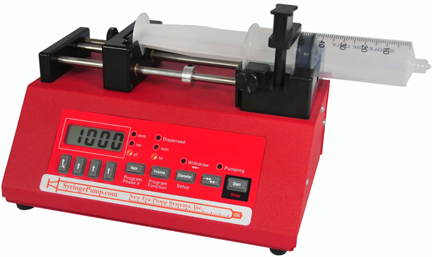
Devices to automatically manipulate a syringe plunger did exist but were primarily used in laboratory testing. These units proved far too expensive for a disposable device and the control interface was too complicated for this particular application.
Understanding the problem
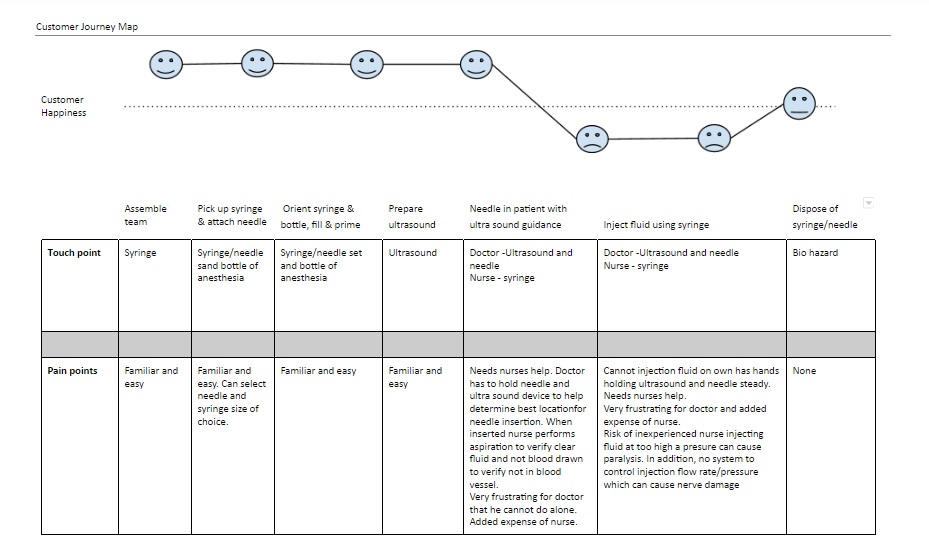
I performed Journey mapping and shadowing.
Concept development
Brainstorming sessions began.
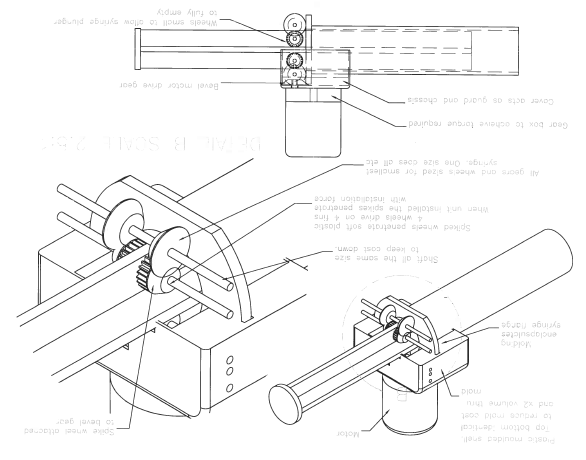
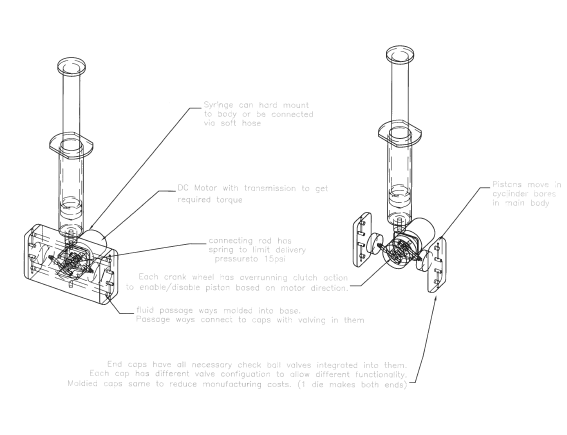
Design ideas were reviewed.
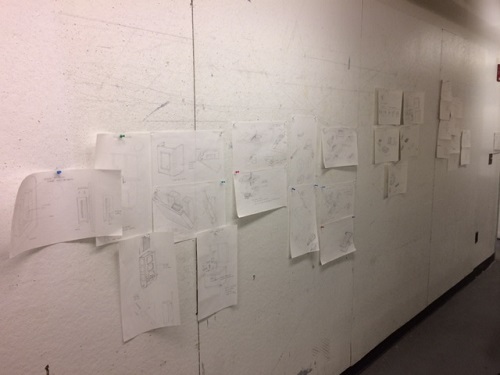
Standout concepts
Some great ideas came out of the brainstorming.

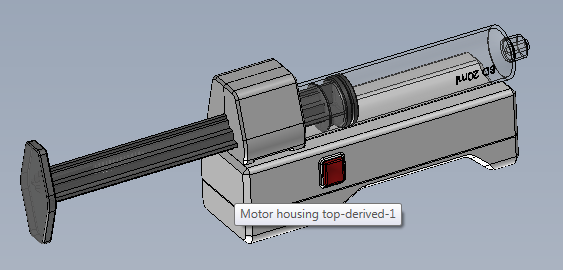
Single use motorized syringe plunger
Motor pinion gear engages and moves molded plunger rack.
Red handle engages/disengages pinion gear in rack to allow manual syringe use. Foot pedal would activate motor.
Other forms based around same rack and pinion idea.

Another variation
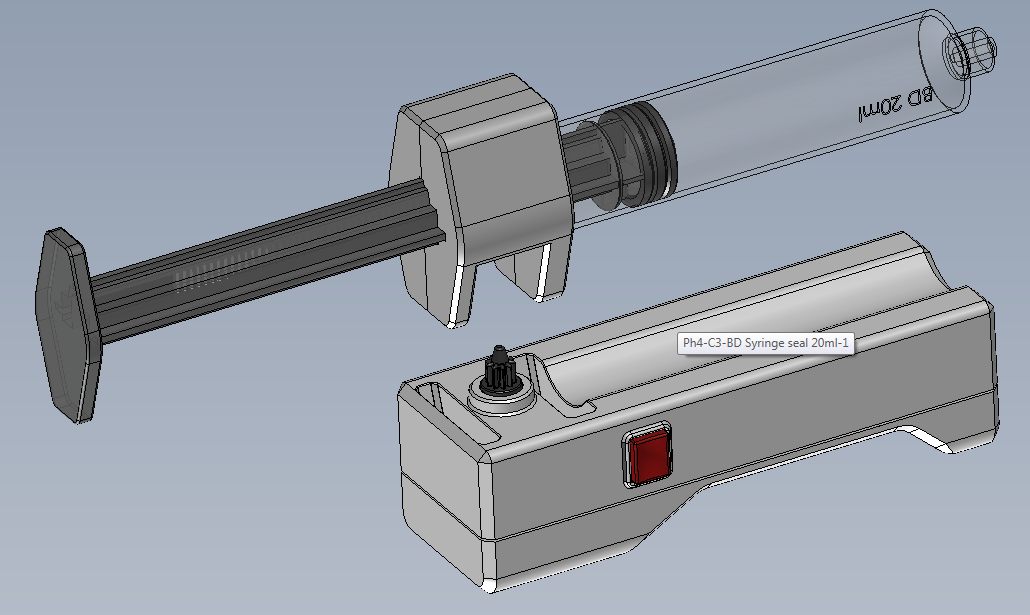
A reuseable base pinion motor drive with disposable, modified single use custom syringes.
Syringe snaps vertically into motor drive pinion gear. Red button ejects syringe. Foot pedal would activate motor.
Peristaltic pump
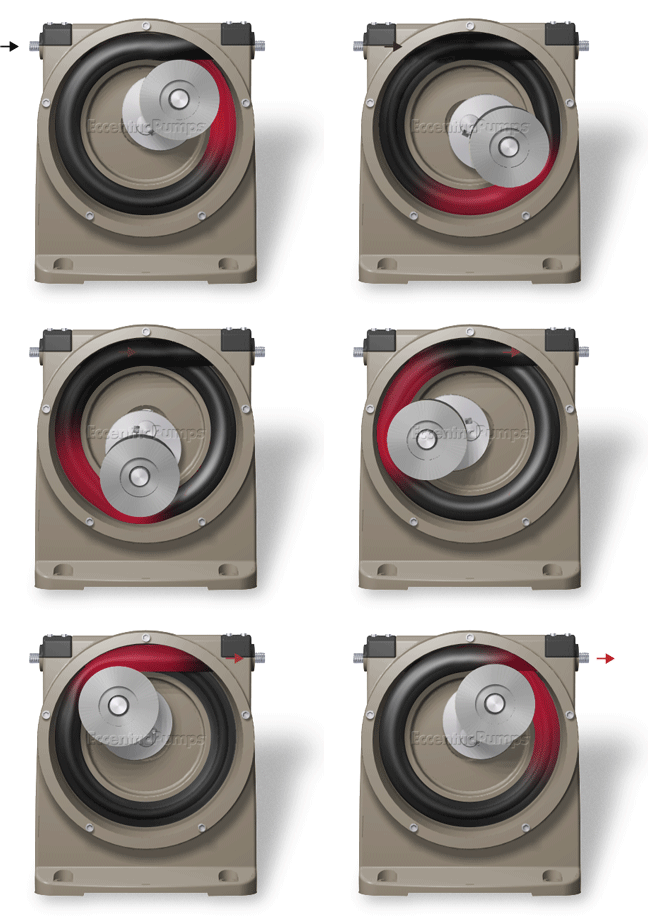
A modified, small peristaltic pump was a strong concept contender too. The pump would suck the fluid out of any size syringe by creating a vacuum in the tube behind the roller and then pushing it through the tube needle set to the patient. Foot pedal would control the pump.


Concept Refinement
Two concept ideas were developed further.
Hands free syringe
Whilst playing around with form and function, I helped evolve this as a hands free syringe design.
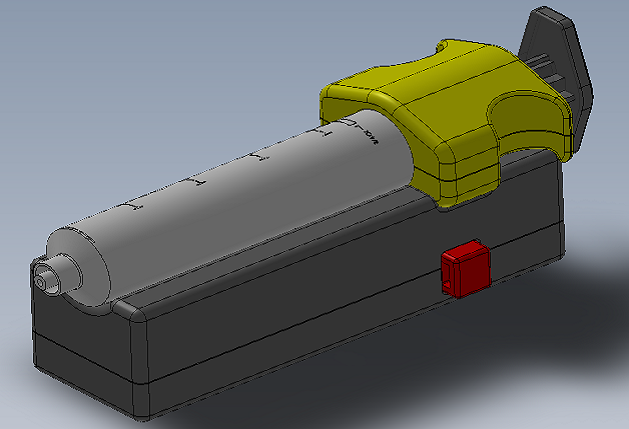
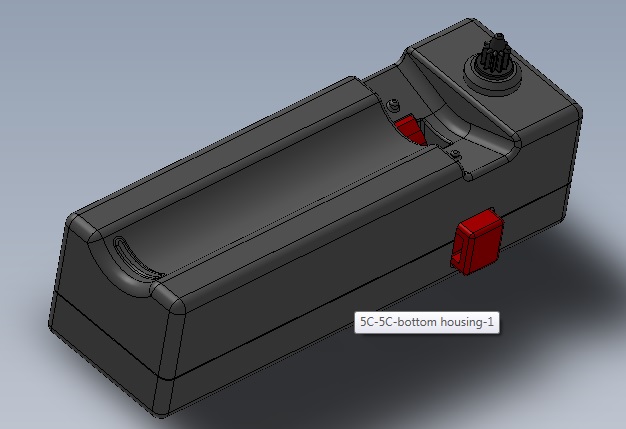
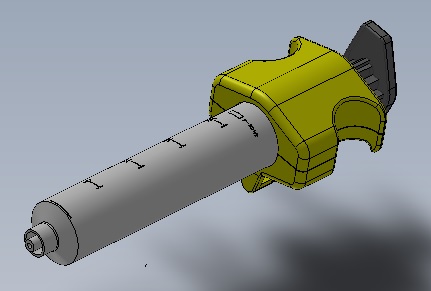
The design was further tweaked with better aesthetics and functional features, such as molded syringe handle for manual filling and use. Electronics would be utilized to control the plunger speed and torque which would limit fluid pressure.
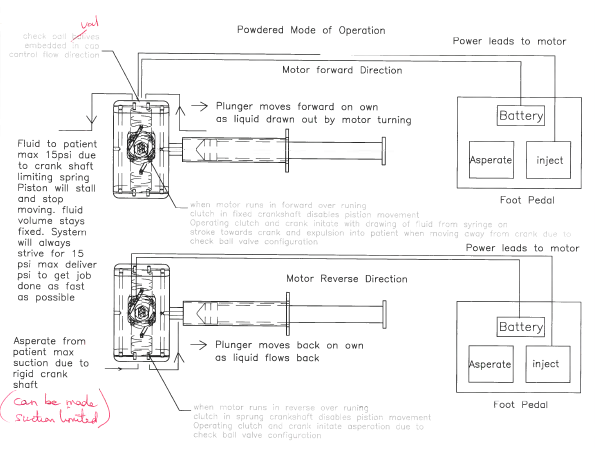
Peristaltic pump with disposable single use tube cartridge per patient
Instead of a single use disposable syringe, the idea of a single use peristaltic tube cartridge with roller was developed.
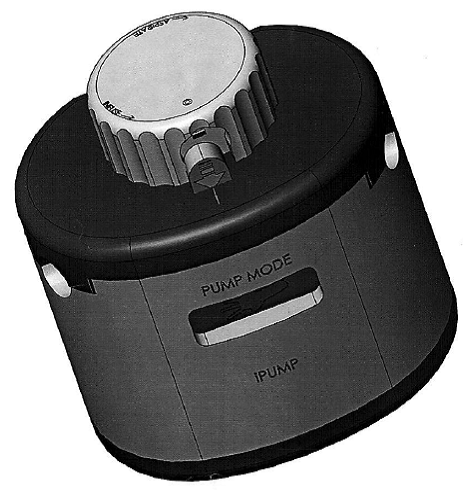
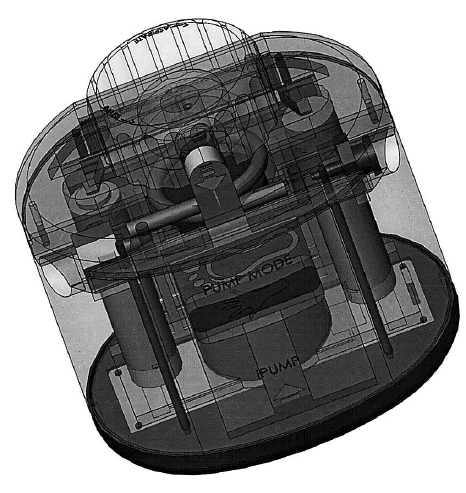

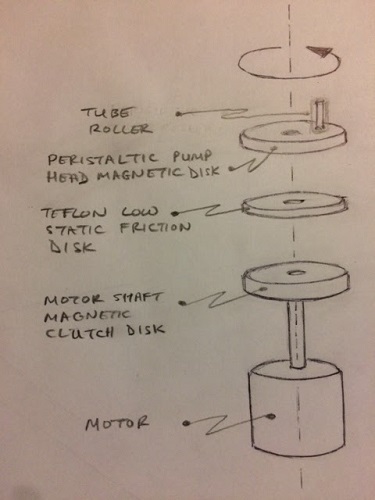
Fluid pressure would be controlled by a pair of teflon coated magnetic clutch plates to limit the maximum allowed motor shaft torque to be transferred to the tube roller cartridge. At the maximum allowable fluid pressure, the roller rotation would stop as the clutch slips.
This concept would allow any size syringe and needle gauge to be utilized and continually deliver fluid at the optimum 15 psi to the patient.
Manual Syringe Mode
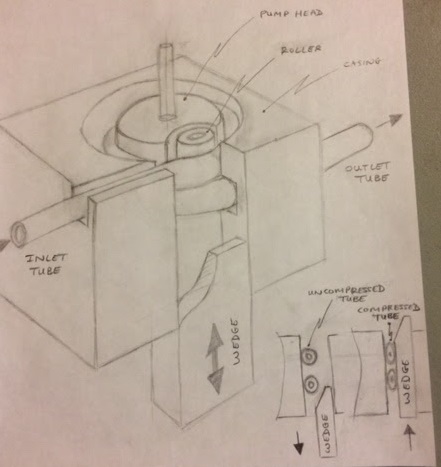
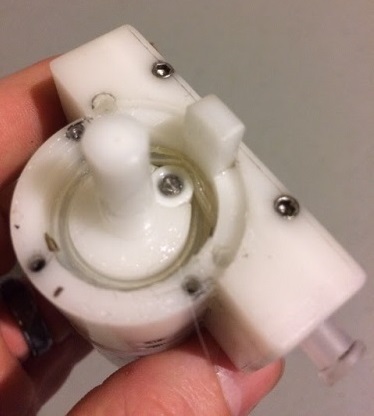
The pump has a built-in bypass mode, which allows the syringe to be used manually and administer fluid to the patient. This bypass mode is achieved by positioning the roller (with knob) at the tube crossover point and temporarily removing a section of the exterior wall (sliding wedge), which normally creates the hose pinch-off restricting unpowered fluid flow.
Prototyping
Crude prototypes were made of the systems components to get a touchy feely handle on things.
Motorized syringe
3 D plastic printed casing
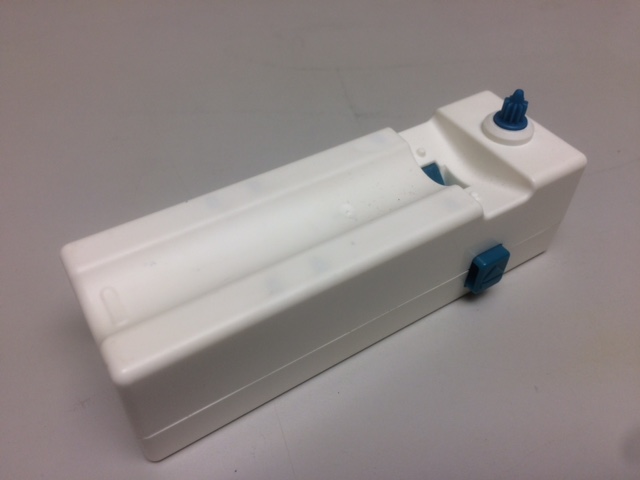

Prototype circuit board
3 D printed plunger with rack.
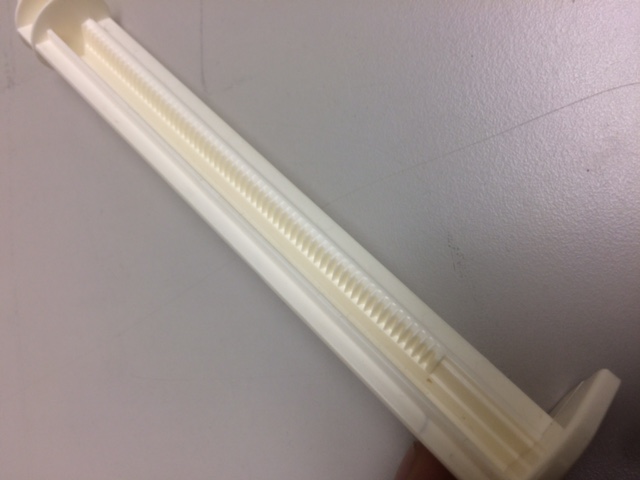

Plunger in syringe with housing around it.
Peristaltic Pump concept
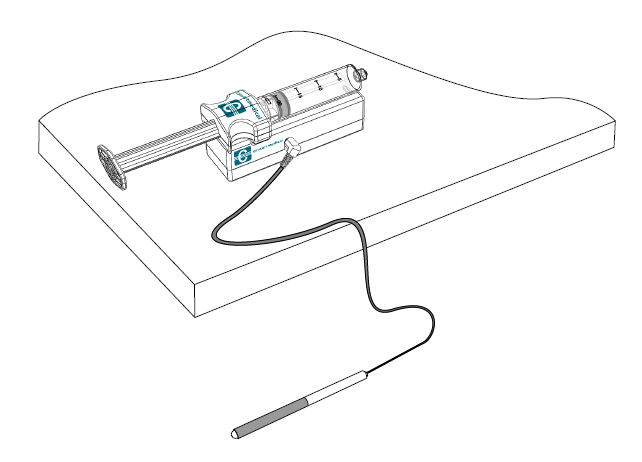
Complete system, pump, needle and syringe.
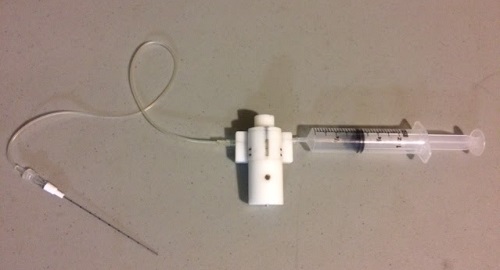
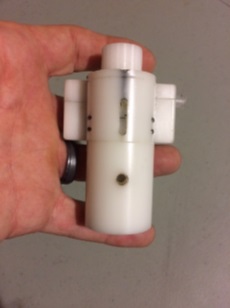
The pump is small and compact.
Prototype has proposed vertical sliding wedge to allow manual syringe mod. Fingers can shuttle the wedge up or down by pressing on the exposed end of wedge.
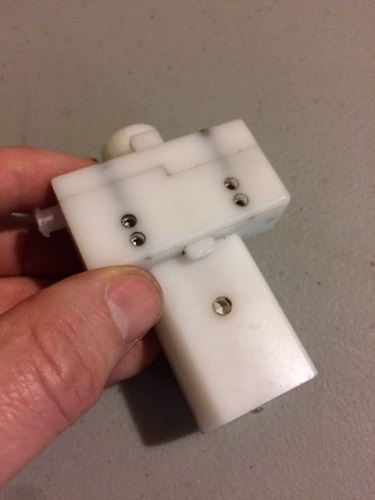
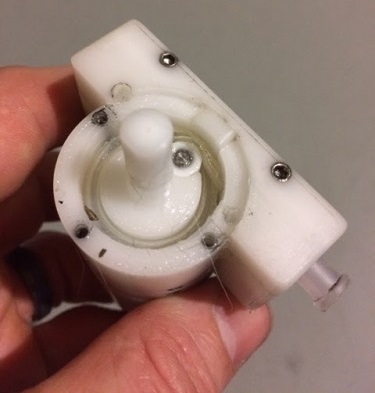
Wedge pushed down at tube loop crossover point preventing which prevents tube pinch off and allows free fluid flow.
Wedge engaged allowing roller to pinch tube at all points during its 360 degree rotation and therefore pump fluid.
Doctors' early feedback...
Doctors liked the syringe actuator best.
Design for manufacture
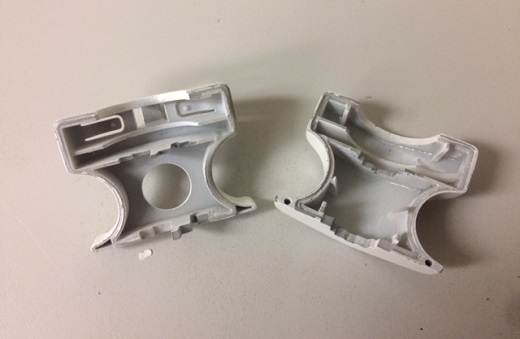
The whole assembly was optimized for manufacturing.
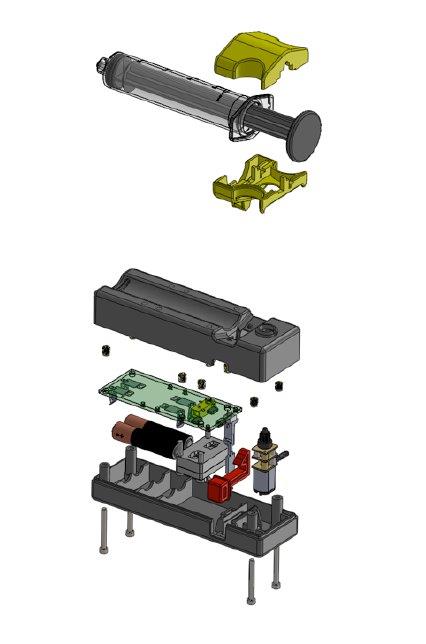
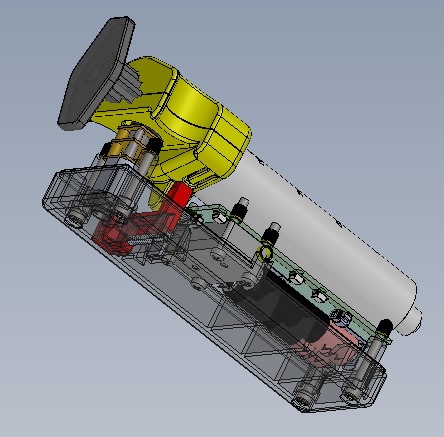
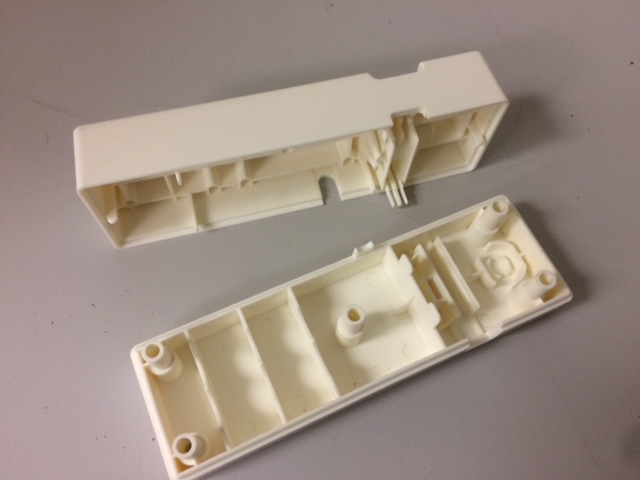
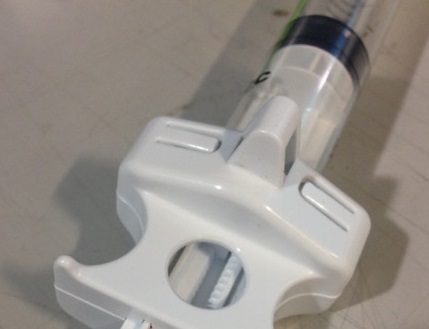
(acting as syringe ejector flaps)
Out Sourcing
After design engineering prototypes were successful, the design information was transferred to China for low cost production.
Testing
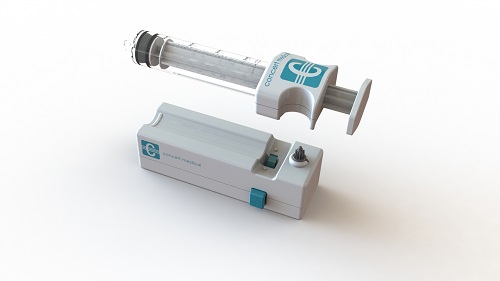
After many months and multiple design and manufacture questions, China delivered the first production of parts.
What I learned
This is was the first project that Concert Medical had done working with China. There were many learning curves. The process took longer than anticipated, but the dangling carrot of lower cost overseas production would be realized. It was a great experience for me dealing with overseas manufacturing enterprises.